A Complete Guide to Autism Swim Tips for Safety, Confidence & Fun
Swimming can be a wonderful experience for children, offering a combination of physical exercise and a chance to connect with others. For children with autism, water can be both calming and a new sensory adjustment that offers a wonderful opportunity for growth and development. This guide provides essential tips for parents and caregivers on how to navigate autism swim experiences while promoting safety and comfort, and nurturing confidence.
Why Autism Swim Skills Matter for Safety and Confidence
Swimming lessons for autistic children are essential due to the unique safety and sensory challenges they may face. Learning to swim not only provides vital water safety skills, but also helps build confidence in and around water.
Swimming can also be a therapeutic and calming activity, offering sensory input through the water’s gentle pressure and motion. This may help children regulate emotions and reduce anxiety. Many children with autism find the water soothing and calming, allowing them to connect with their environment in a unique way.
However, the same sensory input that can be comforting in water can also create challenges for some children. Sensory overload, such as loud noises, temperature changes, or the pressure of the water, may lead to discomfort or distress. This makes it even more important to approach swimming with structured support and a focus on safety.
By teaching children essential swim skills in a comfortable environment, you can help support that swimming remains both a fun and safer activity while building their confidence.
Understanding Autism and Water Sensory Experiences
Children on the autism spectrum often have unique sensory processing profiles. This can result in heightened or diminished sensitivities to sounds, textures, and other sensory inputs. When it comes to water activities, understanding these sensory experiences can make it easier to create a positive and safer environment for your child.
- Sensory Processing Differences: Many children with autism experience sensory processing differences, meaning they might seek out or avoid certain sensations. For some, the sensory input from water can be soothing, offering a calming experience. Others might find the sensation of water uncomfortable or overwhelming. Understanding your child’s sensory profile is key to determining whether swimming will be a positive experience for them.
- Water Pressure as Calming Input: Being immersed in water, whether in a pool, bath, or ocean, can provide deep touch pressure that is calming to many children with autism. This input can have a regulating effect on the nervous system, helping to reduce anxiety or agitation.
- Noise, Echo, and Temperature Sensitivity: For children with sensory sensitivities, splashing, echoes in indoor pools, and fluctuating water temperatures can be challenging. However, with careful planning and professional support, these experiences can be better managed. By introducing the swimming environment gradually and thoughtfully, we ensure that children feel comfortable and supported. Our approach emphasizes creating a calm and controlled atmosphere, allowing children to adjust to the pool setting at their own pace.
- Transition Challenges: Moving from one environment to another, such as from the changing hut to the pool, can be difficult for many children with autism. Transitions can trigger anxiety, and changes in routine or environment can be upsetting. Preparing your child for each stage of the swimming experience can help reduce transition-related stress.
Preparing Your Child for Autism Swimming Success
Before you dive into swim lessons or pool time, preparation is essential. Here are some actionable tips to help set your child up for success:
- Preview the Pool Environment: Familiarize your child with the pool by showing photos or videos of the space. This can help reduce anxiety by providing a visual preview of what to expect.
- Practice Routines Before Arrival: Practice familiar routines at home, such as getting ready for swimming or following a specific sequence of actions (e.g., putting on swim gear, following a visual schedule). This helps establish structure and predictability.
- Bring Familiar Comfort Items: Take along any comfort items that help your child feel secure. These might include a favorite toy, a noise-canceling headset for sound sensitivity, or a weighted blanket to help with calming.
- Use Visual Schedules: A visual schedule can be an effective tool for preparing your child for what will happen during their swim session. Break the experience into clear, manageable steps.
- Visit During Quieter Hours: If possible, visit the pool during quieter times to minimize distractions, loud noises, and large crowds. This will help your child focus on the task at hand and reduce sensory overload.
Essential Water Safety Tips for Kids With Autism
Safety is the number one priority when it comes to swimming. Here are some essential tips to boost your child’s safety while they develop their swim skills:
- Constant, Active Supervision: Never leave your child unsupervised in or around water, even if they are wearing flotation devices.
- Secure Barriers and Pool Alarms: Ensure that your home pool or any pool you visit has secure barriers, alarms, and gates to prevent unsupervised access.
- Swim-Ready Clothing: Choose swim-ready clothing that your child is comfortable in. Consider using reusable swim diapers or other specialized gear to avoid any issues related to water safety.
- Emphasize Floating and Wall-Finding First: Focus on reiterating basic skills like floating and finding the pool’s edge or walls. These are life-saving skills that provide your child with the ability to self-rescue in an emergency.
- Reinforce Safe Entry/Exit Habits: Consistently reinforce safe entry and exit habits, such as using ladders or steps to get in and out of the pool, to help establish safety routines.
Choosing the Right Environment for Autism Swimming
Here’s what to look for when selecting a swim school for your child:
- Warm-Water Pools: Many children with autism find warm water more comfortable and calming. Look for pools with temperatures that cater to this need.
- Smaller Class Sizes: Smaller class sizes ensure that your child receives more individualized attention, which can reduce distractions and help with focus.
- Trained Instructors: Choose instructors who have experience working with children with autism or those trained in specialized swimming techniques for sensory challenges.
- Consistent Scheduling: Regular scheduling helps children with autism feel more comfortable by providing routine and predictability.
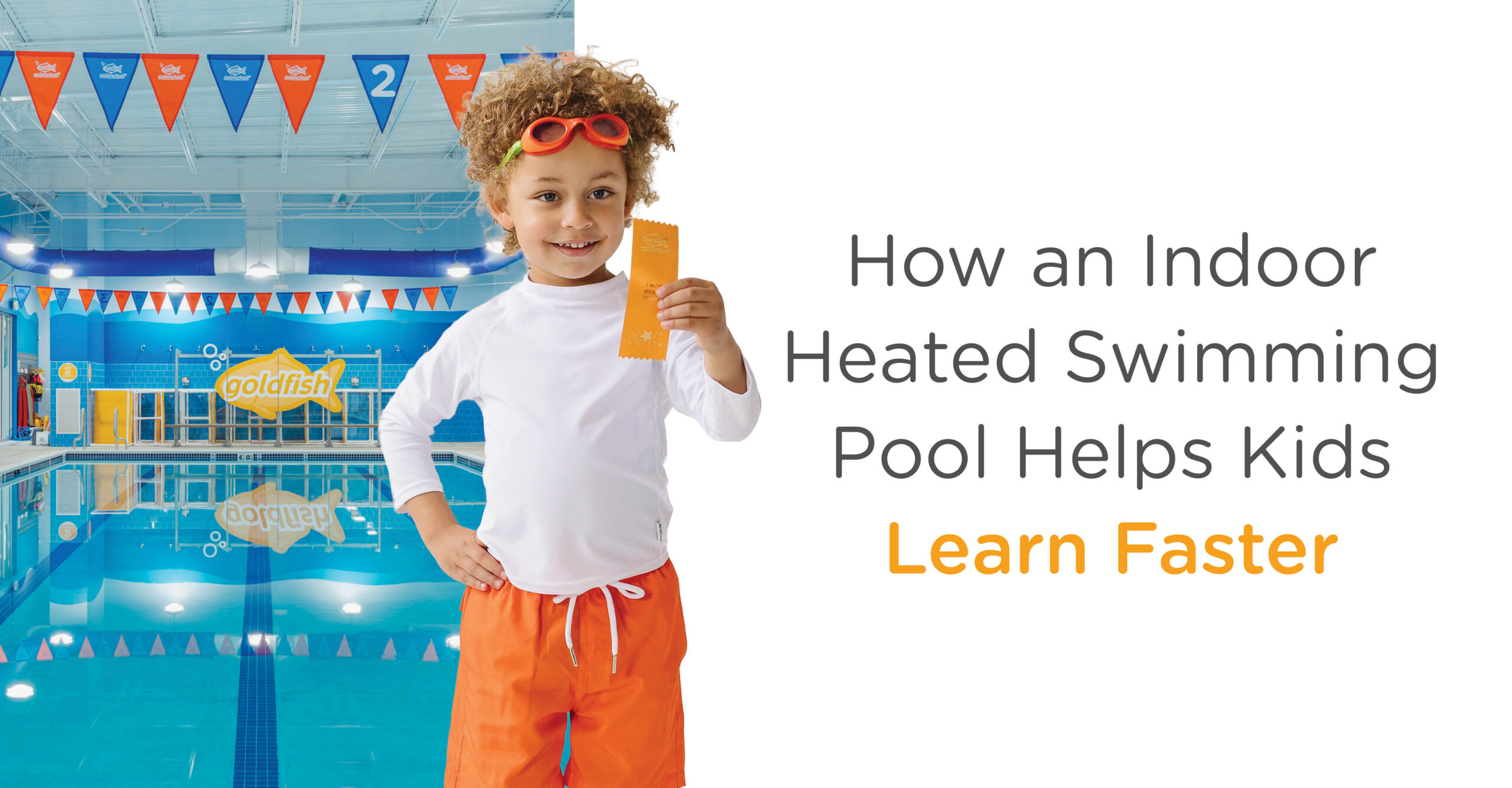
- Indoor, All-Season Access: Indoor pools provide year-round access, which can be especially helpful in managing sensory experiences in different weather conditions.
Autism Swim Success Starts With Safety and Support
Swimming is a valuable skill that provides fun and promotes physical health, sensory regulation, and confidence. Success in swimming for kids with autism begins with a solid foundation of safety, structured support, and careful preparation. With these tips and strategies, you can help your child build a positive relationship with water, ensuring that their swim experiences are both enjoyable and safer!
More Posts Like This